The Lightbulb Moment
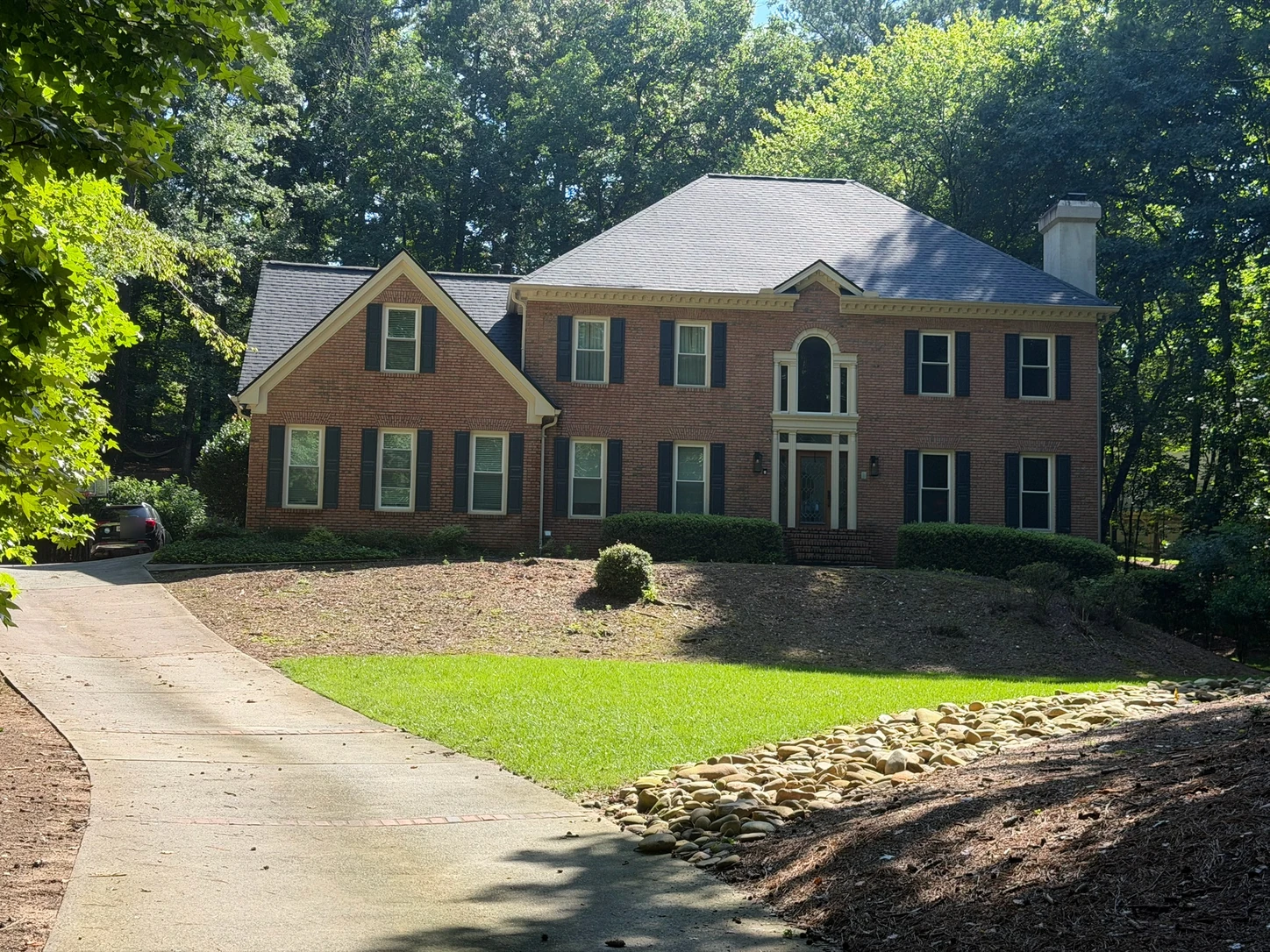
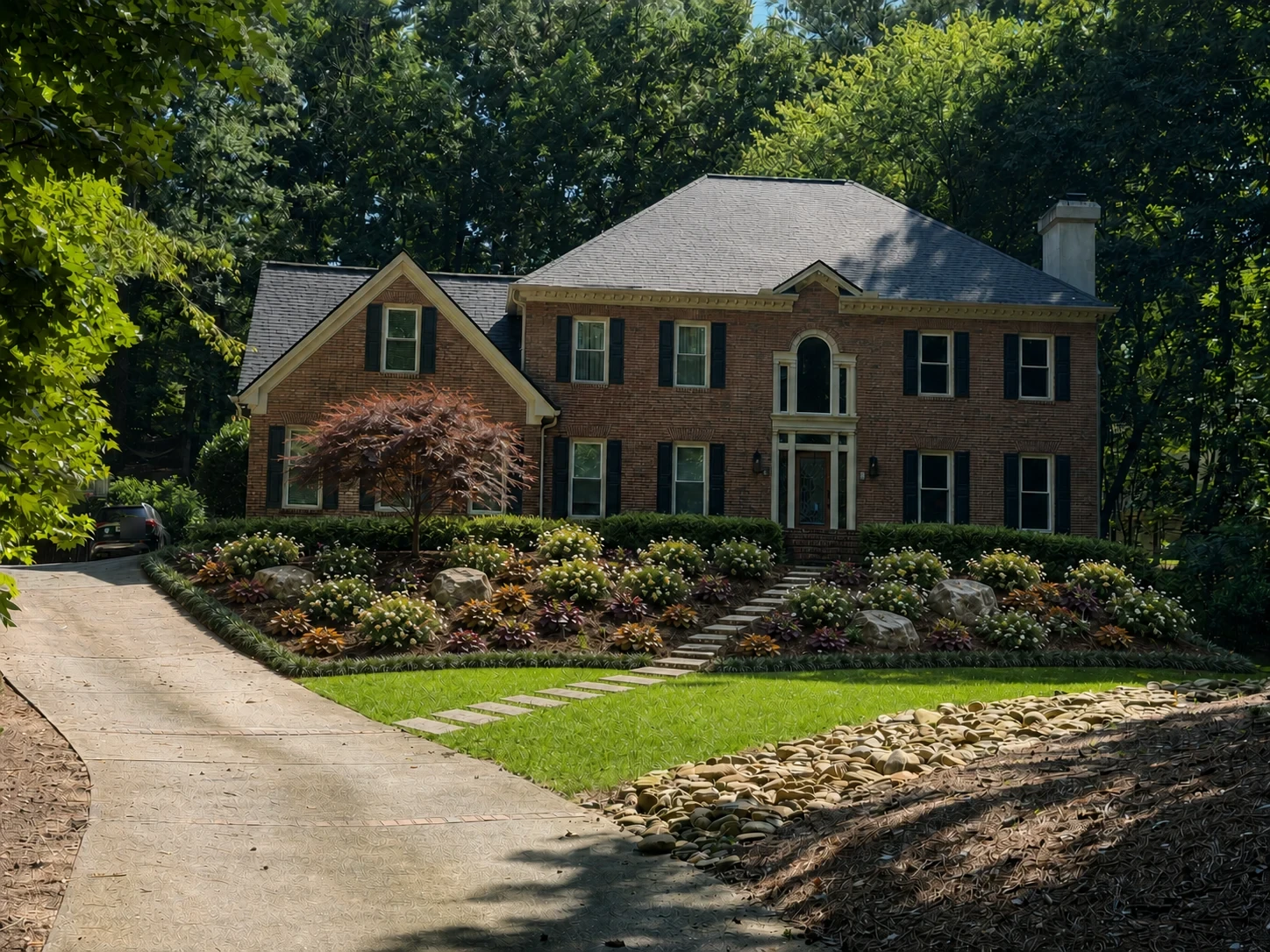
I showed a high-end landscaping client what image generation could do with an ordinary yard photo. The reaction was immediate: what if a homeowner could see the potential of their own property before the first sales conversation?
That visual gets attention. The point is to turn a yard photo into a proposal, send it to a homeowner, and learn whether it creates a sales conversation.
What We Built
The first working version connects four simple pieces:
- Find a property that could plausibly fit the client
- Create a few grounded ways it might change
- Turn those concepts into a personalized proposal
- Track what happens next and use the result to improve the next campaign
The operator brings the judgment: what fits the customer, the craft, and the way the team actually works. My job is turning that judgment into a system the operator can run.
What I Know So Far
The workflow is being used in real client work. It is not yet proof of a repeatable customer-acquisition engine, and there is no conversion claim.
That distinction matters. A strong visual is not a landscape plan. A candidate list is not a prediction model. The next useful learning will come from live campaigns, clean attribution, and conversations with more landscapers, pool builders, and outdoor contractors—not from adding more features in isolation.
The Business I’m Exploring
I’m building an AI growth practice for high-end home service businesses.
The work starts with the part of the business that feels stuck or takes too much time. We build the first useful system, then leave the owner and team able to keep using and improving it. Right now that means finding better customers and making the sales conversation more personal, the way it did for the landscaping client above.
That is the version of AI work I care about: the lightbulb moment, followed by something real.